Consultant Dermatologist in Abu Dhabi: How Advanced Dermatology Treatments Can Transform Your Skin
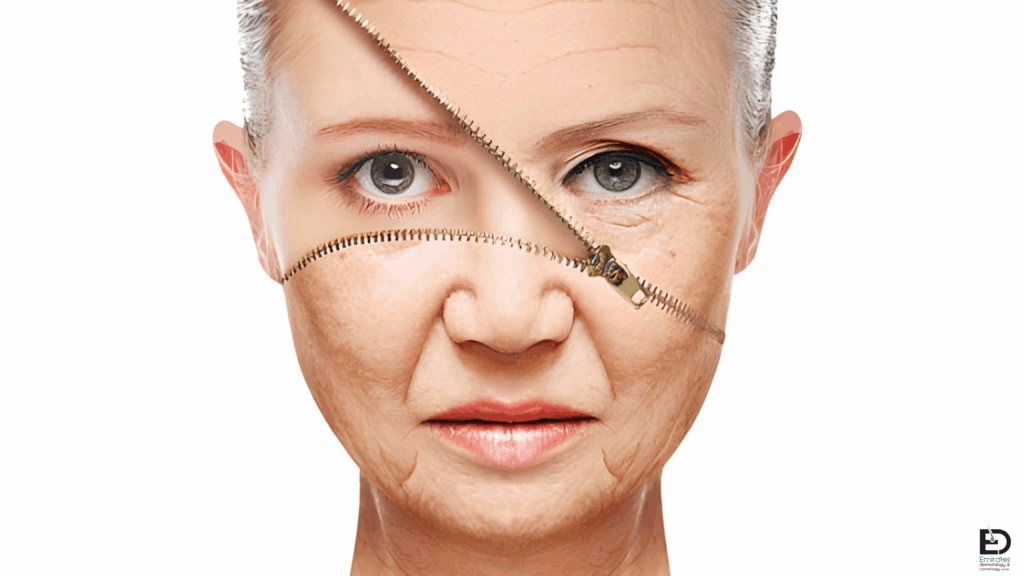
Why Choosing a Consultant Dermatologist in Abu Dhabi Matters Healthy, youthful skin is not just about beauty — it reflects proper skin health, medical expertise, and personalized care. Today, many patients feel overwhelmed by skincare trends, social media advice, and aesthetic clinics offering quick fixes. However, the real difference lies in receiving treatment from a consultant dermatologist who understands skin from a medical and scientific perspective. At Emirates Dermatology & Cosmetology Center (EDCC), our approach combines: Evidence-based dermatology Advanced aesthetic technology Safe and natural treatment methods Long-lasting, medically guided results Understanding Modern Dermatology: Beyond Cosmetic Treatments Modern dermatology goes far beyond basic creams and facials. Today’s advanced skin care focuses on: Skin regeneration and collagen stimulation Prevention of early aging signs Medical treatment of underlying skin conditions Personalized treatment protocols based on skin biology Your skin treatment plan should be customized — not copied from social media trends. Advanced Anti-Aging Treatments in Abu Dhabi at EDCC Aging is a gradual process affecting skin texture, elasticity, hydration, and collagen production. The goal of professional anti-aging treatment is not to change your appearance — but to help you look refreshed and natural. 1. Botox and Muscle Relaxation Treatments Botox helps: Soften expression lines Prevent deeper wrinkle formation Maintain natural facial movement Deliver balanced, subtle results 2. Skin Boosters and Regenerative Therapies Skin boosters provide: Deep hydration Improved skin glow Enhanced smoothness and elasticity Collagen stimulation These treatments improve overall skin quality rather than just targeting surface issues. 3. Advanced Laser Treatments in Abu Dhabi Laser technology is one of the most effective tools in modern dermatology. Benefits include: Pigmentation correction Skin texture refinement Acne scar improvement Controlled and precise skin rejuvenation Laser treatments are commonly recommended for patients seeking wrinkle treatment in Abu Dhabi, acne scars treatment, and pigmentation correction under medical supervision. 4. Exosome and Regenerative Skin Therapies Regenerative dermatology treatments work at the cellular level to: Support skin repair Enhance natural rejuvenation Stimulate collagen production Improve long-term skin quality These advanced options are ideal for patients looking for long-term anti-aging solutions guided by a consultant dermatologist. Skin Specialist & Advanced Dermatology Clinic in Abu Dhabi If you are searching for a skin specialist in Abu Dhabi, choosing a consultant-led dermatology clinic ensures medical accuracy and safer results. Common concerns treated include: Early wrinkles and fine lines Acne scars and post-inflammatory pigmentation Sensitive or reactive skin Hair thinning and scalp issues Chronic redness, eczema, or allergies A consultant dermatologist evaluates the root cause — not just surface symptoms. Why Allergy Testing Is a Hidden Key to Healthy Skin Many patients struggle with chronic redness, irritation, eczema, or unexplained flare-ups without realizing allergies may be the underlying cause. EDCC offers advanced dermatology-based allergy testing to identify hidden triggers affecting your skin. Benefits of Dermatology-Based Allergy Testing: Identifies root causes of persistent skin problems Prevents repeated flare-ups Enables long-term, personalized treatment planning This medical approach separates consultant-led dermatology clinics from typical aesthetic centers. Personalized Skin Plans: The Difference Between Good and Exceptional Results No two skins are the same. Every treatment plan is carefully designed based on: Skin type and condition Age and lifestyle factors Medical history Long-term skin goals This ensures treatments support real skin health — not just temporary cosmetic improvement. Consultant Dermatologist vs. Regular Aesthetic Clinic Consultant Dermatologist Regular Cosmetic Clinic Medically trained specialist Technician-based treatments Treats root cause of skin issues Focuses mainly on surface results Personalized long-term plans Standardized packages Suitable for complex skin conditions Limited medical evaluation This structured, evidence-based approach ensures safer and more predictable outcomes. Signs You Should See a Consultant Dermatologist in Abu Dhabi You may benefit from professional dermatology care if you experience: Early signs of aging Persistent acne or pigmentation Sensitive or reactive skin Hair thinning or scalp concerns Recurring skin conditions Skin issues that do not improve with over-the-counter treatments Early intervention often leads to faster, safer, and more natural results. Who Should Consider Preventive Dermatology Care? You should consider booking a consultation if you: Want preventive anti-aging solutions Are unsure which laser treatment is right for your skin type Have repeated skin flare-ups or allergies Want a personalized long-term skin rejuvenation plan Prefer medically supervised treatments rather than aesthetic trends Preventive dermatology reduces the risk of long-term skin damage. Frequently Asked Questions About Dermatology in Abu Dhabi How do I choose the best dermatologist in Abu Dhabi? Choose a consultant dermatologist with recognized medical credentials, clinical experience, and personalized treatment protocols. Are laser treatments safe? Yes, when performed under medical supervision using advanced dermatology technology tailored to your skin type. How often should I see a dermatologist? For preventive skin health, once or twice a year is recommended. Active conditions may require more frequent visits. Are anti-aging treatments permanent? Most treatments require maintenance sessions, but results can be long-lasting when combined with proper skincare guidance. Medical Safety & Evidence-Based Care All dermatology treatments are performed under consultant supervision using evidence-based protocols and advanced dermatology technology to ensure patient safety and optimal results. This commitment to medical excellence strengthens long-term skin health outcomes. Book Your Dermatology Consultation in Abu Dhabi Your skin deserves expert care guided by medical knowledge and advanced treatment options. If you are looking for: Personalized anti-aging treatments Advanced laser therapies Allergy-focused skin solutions Regenerative dermatology treatments The team at Emirates Dermatology & Cosmetology Center (EDCC) is ready to design the right treatment plan for you. Book your consultation today and begin your journey toward healthier, more radiant skin.