abu dhabi (UAE)

The Role of Dermatologists in Abu Dhabi: The Importance of Skin Health

In Abu Dhabi, a cosmopolitan city that experiences extreme weather conditions, such as high heat and humidity, as well as air pollution, the health of the skin can be particularly vulnerable. This is where dermatologists play a crucial role in maintaining and safeguarding the skin health of the residents. Dermatologists are medical professionals who specialize in diagnosing, treating, and preventing diseases and conditions that affect the skin, hair, nails, and mucous membranes.  They are trained to address a wide range of skin issues, from common skin conditions like acne, eczema, and psoriasis, to more complex conditions such as skin cancer and autoimmune diseases. One of the primary reasons why dermatologists are needed in Abu Dhabi is the high prevalence of skin conditions in the region.  The extreme weather conditions, exposure to harsh sunlight, and a diverse population with different skin types and ethnicities make Abu Dhabi a unique setting with its own set of dermatological challenges.  For instance, skin conditions related to sun damage, such as sunburn, sunspots, and melasma, are common in Abu Dhabi due to the intense sunlight and high UV index throughout the year. Dermatologists are equipped with the knowledge and expertise to diagnose and treat these conditions effectively, as well as provide preventive measures to minimize sun damage and promote skin health. In addition to sun-related conditions, Abu Dhabi’s population is diverse, comprising people from various ethnicities, skin tones, and cultural backgrounds. Dermatologists are well-versed in managing a wide range of skin conditions that are more prevalent in certain ethnic groups, such as vitiligo in individuals with darker skin tones, or keloids, which are more common in people with African or Asian descent.  Dermatologists can provide specialized care and treatment plans tailored to the specific needs of each patient, taking into account their skin type, color, and cultural practices, to ensure optimal outcomes. Furthermore, dermatologists in Abu Dhabi also play a crucial role in diagnosing and treating skin cancers. Skin cancer is a significant public health concern globally, and Abu Dhabi is no exception. With the increasing awareness about the harmful effects of prolonged sun exposure, skin cancer cases have been on the rise in the region.  Dermatologists are skilled in performing skin cancer screenings, biopsies, and other diagnostic procedures to detect skin cancer at its early stages when it is most treatable. They can also provide comprehensive treatment options, including surgical excision, radiation therapy, and targeted therapies, depending on the type and stage of skin cancer, as well as provide counseling on sun protection measures to prevent skin cancer recurrence. Another crucial aspect of dermatologists’ role in Abu Dhabi is managing cosmetic dermatology concerns. Abu Dhabi is a city known for its cosmopolitan lifestyle, where the importance of physical appearance and grooming is highly valued.  Dermatologists can offer a wide range of cosmetic procedures, such as Botox, dermal fillers, laser treatments, and chemical peels, to address aesthetic concerns like wrinkles, fine lines, hyperpigmentation, and scars.  They can provide safe and effective treatments that are customized to the individual’s needs and preferences, while ensuring optimal outcomes with minimal risks and complications. Furthermore, dermatologists in Abu Dhabi are involved in research and education to stay up-to-date with the latest advancements in the field of dermatology. They constantly update their knowledge and skills to provide the best possible care to their patients. Dermatologists also play a crucial role in educating the public about the importance of skin health and promoting preventive measures to maintain healthy skin.  They may conduct public awareness campaigns, give lectures, and participate in community events to spread knowledge about skin care, sun protection, and early detection of skin conditions. In conclusion, dermatologists are essential in Abu Dhabi due to various factors, including the high prevalence of skin conditions, extreme weather conditions, diverse population with different skin types and ethnicities, and the growing demand for cosmetic dermatology services.  They play a critical role in diagnosing, treating, and preventing a wide range of skin conditions, including sun-related conditions, skin cancer, and cosmetic concerns. Dermatologists in Abu Dhabi are trained to provide specialized care tailored to the specific needs of each patient, taking into account their skin type, color, and cultural practices.  They also contribute to research and education to stay updated with the latest advancements in dermatology and raise awareness about the importance of skin health in the community. In a city like Abu Dhabi, where the health and well-being of the population are highly valued, dermatologists are vital healthcare providers who ensure the optimal health of the skin and help individuals maintain healthy, radiant, and beautiful skin.  Their expertise and specialized care make them an essential part of the healthcare system in Abu Dhabi, contributing to the overall health and quality of life of its residents.  Whether it is diagnosing and treating skin conditions, preventing skin damage, promoting sun protection measures, or providing cosmetic dermatology services, dermatologists play a crucial role in maintaining skin health and enhancing the overall well-being of the people in Abu Dhabi.

The Role of Dermatologists in Abu Dhabi: The Importance of Skin Health Read More »

skin tags

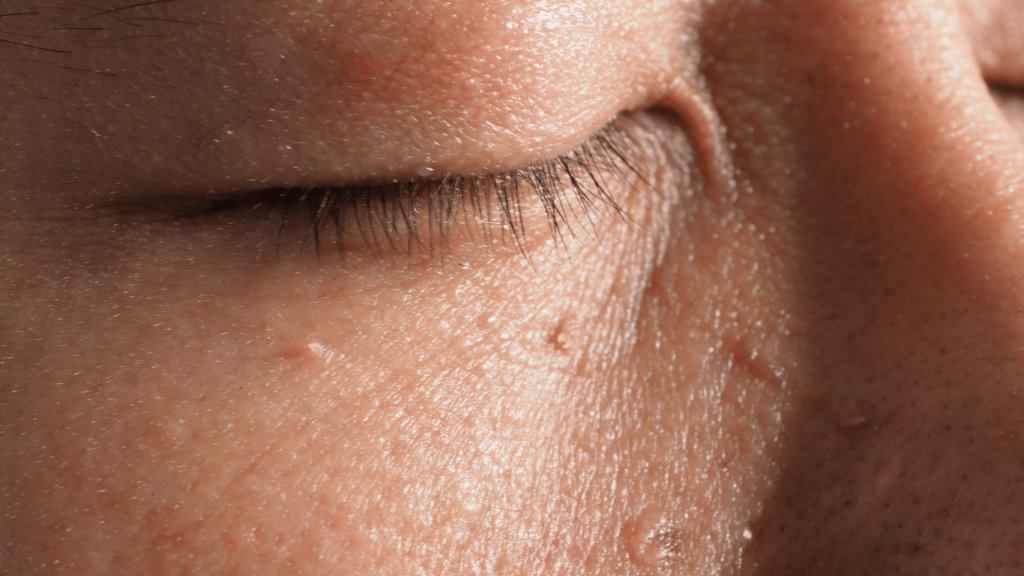
Warts and Skin Tags: Causes, Characteristics, and Treatments

Warts and skin tags are both types of benign skin growths that can develop on different areas of the body. While they share some similarities, they have distinct characteristics and treatments. Warts Warts are caused by the human papillomavirus (HPV), which infects the top layer of the skin. They can appear as small, raised bumps with a rough or smooth surface. Warts are usually painless, but they can be irritating or embarrassing, especially if they appear on the face, hands, or feet. There are several types of warts, including: Warts can be contagious and spread through direct contact or by touching surfaces contaminated with the virus. They can also spread from one part of the body to another through scratching or shaving. Treatment for warts varies depending on the type and location. Some options include: Skin Tags Skin tags are small, soft, benign growths that hang off the skin. They are usually flesh-colored or slightly darker and can range in size from a few millimeters to several centimeters. Skin tags are most commonly found on the neck, underarms, groin, and eyelids. Skin tags are more common in middle-aged or older adults and in people who are overweight or have diabetes. They are not contagious and do not cause any health problems, but they can be bothersome or unsightly. Treatment for skin tags is usually not necessary unless they are causing discomfort or affecting self-esteem. Some options include: In conclusion, while warts and skin tags are both benign growths, they have different causes, characteristics, and treatments. It is important to consult with a healthcare provider to determine the best course of action for removing or managing these skin growths.

Warts and Skin Tags: Causes, Characteristics, and Treatments Read More »

blue light banner

How Can Blue Light Can Affect Your Skin

In today’s digital age, we are surrounded by electronic devices such as smartphones, laptops, and tablets. While these devices have made our lives easier and more convenient, they also emit blue light, which can have negative effects on our skin. What is Blue Light? Blue light is a type of high-energy visible light (HEV) that is emitted by electronic devices, as well as the sun. It has a shorter wavelength than other colors of light, which means it can penetrate deeper into the skin. Blue light is also known as the “invisible light” because it is not visible to the naked eye. How Does Blue Light Affect the Skin? Blue light can have negative effects on the skin in several ways. Here are some of the ways that blue light can affect your skin: How to Protect Your Skin from Blue Light Here are some tips for protecting your skin from blue light: In conclusion, blue light can have negative effects on your skin, including premature aging, hyperpigmentation, acne, and disrupted sleep.  To protect your skin, consider using blue light-blocking screen protectors and glasses, using antioxidant-rich skincare products, and taking breaks from your electronic devices. By taking these steps, you can help reduce your exposure to blue light and keep your skin looking healthy and radiant.

How Can Blue Light Can Affect Your Skin Read More »

How to Manage Eczema and Other Skin Allergies

Eczema and other skin allergies are a common problem for many people. These conditions can be uncomfortable, unsightly, and even painful, making it difficult for sufferers to go about their daily lives. However, with proper management, it is possible to reduce the symptoms of eczema and other skin allergies and enjoy healthy, beautiful skin. In this article, we will discuss how to manage eczema and other skin allergies. Understanding Eczema and Skin Allergies Eczema, also known as atopic dermatitis, is a chronic condition that causes inflammation and irritation of the skin. It can appear anywhere on the body but is most commonly found on the face, hands, feet, and behind the knees. Symptoms of eczema include red, itchy, dry, and flaky skin, as well as blisters that may ooze and crust over. Skin allergies are a type of allergic reaction that occurs when the immune system overreacts to a substance in the environment. This can cause a range of symptoms, including redness, itching, hives, and swelling. Common allergens include pollen, dust mites, pet dander, certain foods, and some medications. Tips for Managing Eczema and Other Skin Allergies The first step in managing eczema and other skin allergies is to identify and avoid triggers. This may involve keeping a journal to track symptoms and identifying patterns, such as exposure to certain fabrics, soaps, or foods. Once triggers have been identified, they should be avoided as much as possible. For example, if you are allergic to pollen, you may want to avoid spending time outside during peak allergy season. Dry skin can exacerbate eczema and other skin allergies, so it is important to keep skin moisturized. Use a gentle, fragrance-free moisturizer after bathing, and reapply as needed throughout the day. You may also want to consider using a humidifier in your home to add moisture to the air. Many soaps, detergents, and other products can irritate eczema and other skin allergies. Choose gentle, fragrance-free products and avoid harsh chemicals and additives. Look for products that are specifically designed for sensitive skin. Wearing soft, breathable fabrics can help reduce irritation and prevent flare-ups. Avoid tight-fitting clothing, which can rub against the skin and cause irritation. Cotton, silk, and other natural fibers are usually the best choice. If you have been prescribed medications or treatments for your eczema or other skin allergies, it is important to use them as directed. Follow your doctor’s instructions carefully and do not stop taking medication without consulting your healthcare provider. If you experience side effects or your symptoms worsen, contact your doctor right away. Good skin hygiene is essential for managing eczema and other skin allergies. This includes keeping the skin clean and dry, avoiding scratching or rubbing, and using mild, fragrance-free products. Avoid hot showers or baths, as hot water can dry out the skin and exacerbate symptoms. If your eczema or other skin allergies are severe or do not improve with at-home treatments, seek professional help. A dermatologist or allergy specialist can help identify triggers and develop a treatment plan that works for you. They may recommend prescription medications, light therapy, or other treatments to help manage your symptoms. In conclusion, managing eczema and other skin allergies requires a multi-faceted approach. By identifying and avoiding triggers, keeping skin moisturized, choosing gentle products, wearing soft fabrics, using medications and treatments as directed, practicing good skin hygiene, and seeking professional help when necessary, you can reduce the symptoms of eczema and other skin allergies and enjoy healthy, beautiful skin. Remember to be patient and consistent with your management plan, as it may take time to see results. With the right care and attention, you can manage eczema and other skin allergies and live a healthy, comfortable life.

How to Manage Eczema and Other Skin Allergies Read More »

sleep skincare

The Importance of Sleep for Skin Health and Beauty

Sleep is an essential aspect of our daily lives. It allows our bodies to rest and recharge after a long day of work, play, and other activities. Besides, getting adequate sleep is critical to maintaining good health and beauty.  It is during sleep that our bodies engage in several essential restorative processes, including repairing and rejuvenating the skin. In this article, we will discuss the importance of sleep for skin health and beauty and how you can improve your sleep quality to enhance your skin. What Happens to the Skin During Sleep? During sleep, our bodies undergo several processes that contribute to healthy skin. Some of the processes include: The skin goes through a natural process of renewal every night. The skin cells divide and produce new ones to replace the dead cells. The renewal process is crucial in maintaining healthy and youthful-looking skin. Collagen is a protein that gives the skin its elasticity and firmness. During sleep, the body produces more collagen, which helps to reduce the appearance of wrinkles and fine lines. Blood flow to the skin increases during sleep, which helps to deliver more oxygen and nutrients to the skin. This increased blood flow contributes to a healthy and radiant complexion. The skin also gets a chance to rehydrate during sleep. The body produces more natural oils that help to keep the skin moisturized and prevent dryness. The Importance of Sleep for Skin Health and Beauty Adequate sleep is essential in reducing the signs of aging, such as wrinkles, fine lines, and dark circles under the eyes. During sleep, the body produces more collagen, which helps to reduce the appearance of wrinkles and fine lines. Lack of sleep, on the other hand, can lead to a decrease in collagen production, which can accelerate the aging process. During sleep, the skin undergoes a natural repair process that helps to heal any damage caused by environmental factors such as pollution, sun exposure, and other stressors. This repair process is critical in maintaining healthy and radiant skin. Collagen is essential in maintaining the skin’s elasticity and firmness. Lack of sleep can lead to a decrease in collagen production, which can cause the skin to lose its elasticity and lead to sagging skin. Sleep is critical in preventing acne breakouts. Lack of sleep can lead to an increase in stress hormones such as cortisol, which can cause inflammation and trigger acne breakouts. Getting adequate sleep can help to improve the skin’s overall radiance. During sleep, the body produces more collagen and increases blood flow to the skin, which contributes to a healthy and radiant complexion. How to Improve Your Sleep Quality for Better Skin Health and Beauty Establishing a regular sleep routine can help to improve your sleep quality. Try to go to bed and wake up at the same time every day, even on weekends. Creating a relaxing sleep environment can help to improve your sleep quality. Make sure your bedroom is dark, quiet, and at a comfortable temperature. Avoid stimulants such as caffeine, nicotine, and alcohol before bed as they can interfere with your sleep quality. Practicing relaxation techniques such as meditation, deep breathing, or yoga before bed can help to calm your mind and improve your sleep quality. Investing in a good mattress and pillow can help to improve your sleep quality and prevent skin damage such as wrinkles and fine lines. In conclusion, sleep is essential for maintaining healthy skin and promoting beauty. During sleep, the skin undergoes several restorative processes such as renewal, collagen production, and hydration that contribute to youthful-looking and radiant skin. Adequate sleep also reduces the signs of aging, promotes skin repair, improves skin elasticity, prevents acne breakouts, and boosts skin radiance. To improve your sleep quality, you should establish a sleep routine, create a relaxing sleep environment, avoid stimulants before bed, practice relaxation techniques, and invest in a good mattress and pillow. By prioritizing your sleep, you can enhance your skin health and beauty and enjoy the many benefits of a good night’s rest. Emirates Dermatology & Cosmetology Center has been transforming and boosting confidence to thousands of patients. Call us at 02-5555-255 to book an appointment to any of our dermatology and cosmetology services. 

The Importance of Sleep for Skin Health and Beauty Read More »

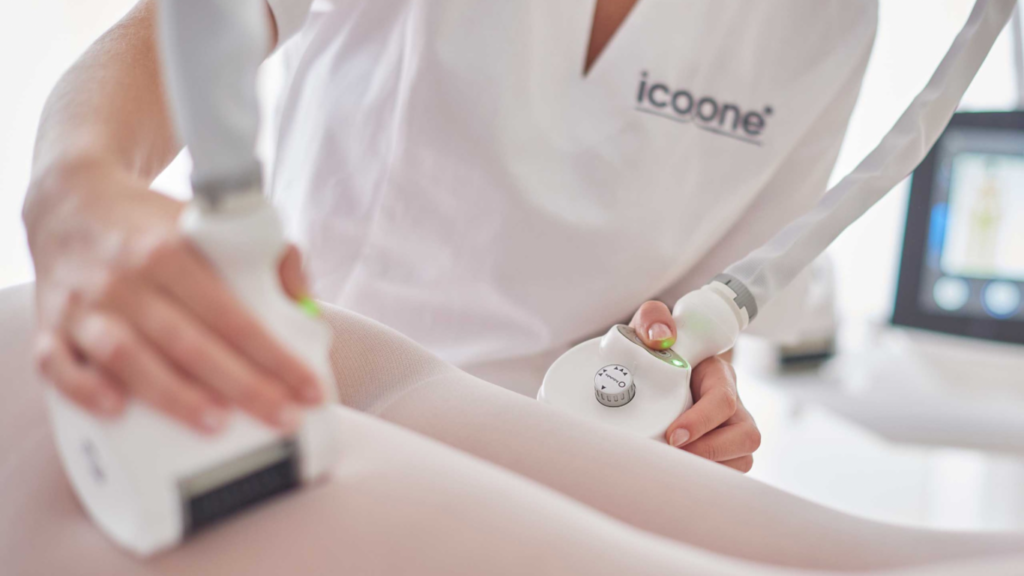
ICOONE: Body Shaping and Contouring

ICOONE is a cutting-edge technology in the field of non-invasive aesthetic treatments. It is a highly innovative device that utilizes mechanical stimulation of the skin and underlying tissues to achieve a variety of aesthetic benefits.  ICOONE has been shown to improve skin tone, reduce the appearance of cellulite, and even alleviate pain and soreness in certain cases. In this article, we will take a closer look at ICOONE, its benefits, and how it works. What is ICOONE? ICOONE is a patented technology that uses a combination of suction and rollers to massage and manipulate the skin and underlying tissues. This mechanical stimulation is designed to improve circulation, lymphatic drainage, and collagen production, resulting in a wide range of aesthetic benefits.  The device consists of a handheld applicator with a series of rollers that rotate and massage the skin and underlying tissues. This mechanical stimulation has been shown to have a significant impact on the appearance and health of the skin. How Does ICOONE Work? ICOONE works by utilizing a combination of suction and rollers to massage and manipulate the skin and underlying tissues. The device uses a unique algorithm that adjusts the intensity and speed of the rollers and suction to provide a customized treatment that is tailored to each patient’s needs.  The suction and rollers work together to stimulate the skin and underlying tissues, promoting increased circulation and lymphatic drainage. This increased circulation and drainage help to remove toxins from the body, reduce fluid retention, and improve the appearance of cellulite. What are the Benefits of ICOONE? ICOONE has a wide range of benefits, including: Reducing the appearance of cellulite Improving skin tone and texture Alleviating pain and soreness Enhancing overall health and wellness Is ICOONE Safe? ICOONE is a non-invasive treatment that is considered to be safe and effective. The device is FDA cleared and has been extensively tested for safety and efficacy. However, as with any medical treatment, there are some risks associated with ICOONE. Patients should consult with their healthcare provider to determine if ICOONE is right for them. ICOONE is a cutting-edge technology that has been shown to provide a wide range of aesthetic benefits. By utilizing mechanical stimulation of the skin and underlying tissues, ICOONE can improve skin tone, reduce the appearance of cellulite, and even alleviate pain and soreness in certain cases. If you are interested in learning more about ICOONE and whether it is right for you, consult with a qualified healthcare provider who can provide guidance and advice based on your individual needs and concerns.

ICOONE: Body Shaping and Contouring Read More »

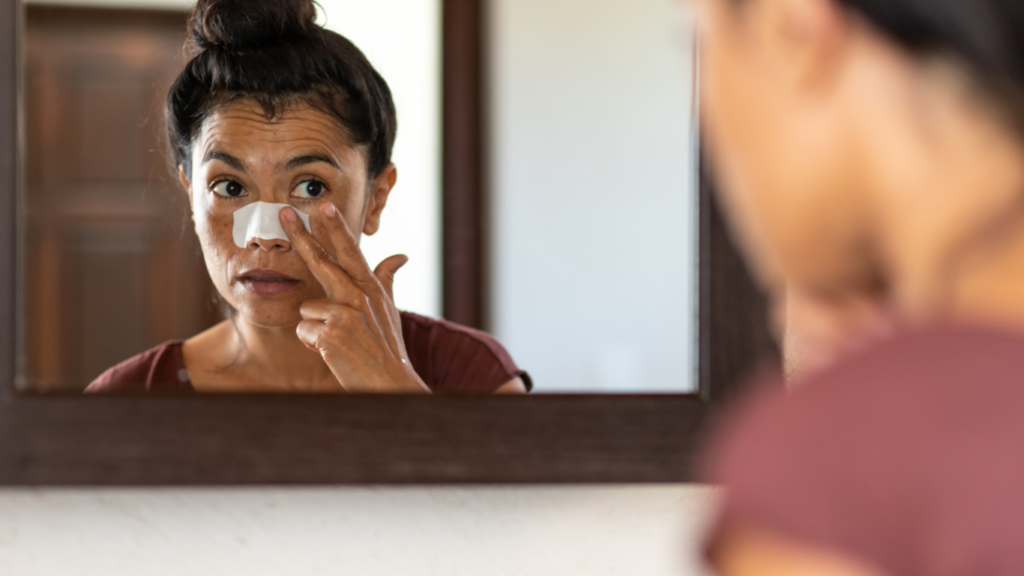
The truth about pore strips: Do they actually remove blackheads?

Pore strips are a popular skincare product designed to remove blackheads and other impurities from the skin. They are typically made of a type of adhesive material that adheres to the skin, and when pulled off, is said to remove blackheads and other impurities from the pores. But do pore strips actually work as advertised? In this article, we will examine the truth about pore strips and whether they are an effective tool for removing blackheads. What are blackheads? Blackheads are a type of acne that form when pores become clogged with excess sebum and dead skin cells. When the pore is partially clogged, the sebum and dead skin cells oxidize and turn black, forming a blackhead. Blackheads are most commonly found on the nose, chin, and forehead, and can be difficult to remove without the proper tools. How do pore strips work? Pore strips work by using an adhesive material to stick to the skin, and when pulled off, the strip is said to remove blackheads and other impurities from the pores. The adhesive material is typically made of a type of synthetic polymer, such as polyvinyl alcohol or polyethylene, which is designed to adhere to the skin and create a strong bond. When the pore strip is applied to the skin, the adhesive material adheres to the skin and dries, creating a strong bond with the blackheads and other impurities in the pores. When the strip is pulled off, the blackheads and other impurities are said to be pulled out of the pores, leaving the skin looking smoother and clearer. Do pore strips actually work? While pore strips are a popular skincare product, their effectiveness in removing blackheads is somewhat controversial. Some people swear by them and claim that they are the only effective way to remove blackheads, while others claim that they do not work at all and can actually be damaging to the skin. One of the main criticisms of pore strips is that they only remove the surface layer of blackheads, and do not address the underlying cause of the problem. Blackheads are caused by excess sebum and dead skin cells that accumulate in the pores, and if these underlying issues are not addressed, the blackheads are likely to return. Additionally, some experts have raised concerns that pore strips can be damaging to the skin, particularly if they are used too frequently or if the skin is already irritated or inflamed. The adhesive material used in pore strips can be harsh on the skin, and if used too frequently, it can cause redness, irritation, and even damage to the skin. So, do pore strips actually work? The answer is somewhat complicated. While pore strips may be effective at removing some surface-level blackheads, they are not a long-term solution for addressing the underlying causes of blackheads. Additionally, the potential risks and side effects associated with pore strips mean that they may not be the best option for everyone. Alternatives to pore strips If you are looking for a more effective and less risky way to remove blackheads, there are several alternatives to pore strips that you may want to consider. Some of these options include: In conclusion, while pore strips may be effective at removing some surface-level blackheads, they are not a long-term solution for addressing the underlying causes of blackheads. Additionally, the potential risks and side effects associated with pore strips mean that they may not be the best option for everyone.  If you are looking for a more effective and less risky way to remove blackheads, there are several alternatives to pore strips that you may want to consider. Consult with a skincare professional to determine the best approach for your skin type and concerns.

The truth about pore strips: Do they actually remove blackheads? Read More »

Skin Cancer: Types, Prevention, and Treatment

Skin cancer is one of the most common types of cancer worldwide. According to the American Cancer Society, it is estimated that over 5 million people are diagnosed with skin cancer each year in the United States alone. The good news is that if detected and treated early, skin cancer can usually be cured. In this article, we will discuss what skin cancer is, the different types of skin cancer, and how to prevent and treat it. What is Skin Cancer? Skin cancer is a disease that occurs when skin cells start to grow uncontrollably and form a malignant tumor. The most common cause of skin cancer is exposure to ultraviolet (UV) radiation from the sun or from tanning beds. However, other factors such as a family history of skin cancer, having fair skin, and a weakened immune system can also increase the risk of developing skin cancer. Types of Skin Cancer There are three main types of skin cancer: basal cell carcinoma, squamous cell carcinoma, and melanoma. Basal Cell Carcinoma (BCC) is the most common type of skin cancer. It typically appears as a small, shiny, dome-shaped bump or a red, scaly patch of skin. BCC rarely spreads to other parts of the body and is usually curable with early treatment. Squamous Cell Carcinoma (SCC) is the second most common type of skin cancer. It appears as a red, scaly patch of skin or a raised, wart-like growth. SCC can spread to other parts of the body if left untreated, but it is usually curable if detected early. Melanoma is the most dangerous type of skin cancer. It can develop from an existing mole or appear as a new, unusual mole. Melanoma can spread to other parts of the body if left untreated, making it the most deadly form of skin cancer. Prevention of Skin Cancer The most effective way to prevent skin cancer is to protect your skin from the sun. Here are some tips to help reduce your risk of developing skin cancer: Treatment of Skin Cancer If you suspect that you have skin cancer, it is important to see a doctor as soon as possible. Treatment options will depend on the type and stage of the cancer, as well as the location of the tumor. Surgery is often the primary treatment for skin cancer. This may involve removing the tumor and a small amount of surrounding healthy tissue. In some cases, a skin graft may be necessary to help the wound heal. Radiation therapy uses high-energy X-rays to kill cancer cells. This treatment is typically used for skin cancer that is difficult to remove with surgery or for cancer that has spread to other parts of the body. Chemotherapy is the use of drugs to kill cancer cells. This treatment is usually reserved for advanced cases of skin cancer that have spread to other parts of the body. In conclusion, skin cancer is a common disease that can usually be cured if detected and treated early. By taking steps to protect your skin from the sun and checking your skin regularly for changes, you can reduce your risk of developing skin cancer. If you suspect that you have skin cancer, it is important to see a doctor as soon as possible to discuss your treatment options.

Skin Cancer: Types, Prevention, and Treatment Read More »

Beauty Nail Care Tips: A Comprehensive Guide to Nail Care for Healthy and Beautiful Nails

Nails are more than just a part of your body’s external appearance. They serve a functional purpose, protecting the fingertips and toes from injury and allowing for fine motor movements like gripping and grasping. However, nails also play a significant role in personal grooming and can be a source of self-expression and creativity. In this article, we will explore the different aspects of nail care, including proper nail hygiene, tips for maintaining strong and healthy nails, and how to prevent and treat common nail problems. Whether you prefer natural nails or enjoy the occasional manicure or pedicure, these nail care tips will help you achieve strong, healthy, and beautiful nails. It is essential to keep your nails clean to prevent dirt and bacteria from accumulating underneath them. Use a soft-bristled brush and soap to gently clean your nails and the surrounding skin. Moisture can weaken your nails and make them more prone to infection. Dry your nails thoroughly after washing your hands or taking a shower, and avoid keeping your hands or feet submerged in water for extended periods.  Keeping your nails trimmed can help prevent them from breaking or splitting. Use sharp nail clippers to trim your nails straight across, and use a nail file to smooth the edges. Biting your nails can damage the nail bed and make your nails more prone to infection. If you have trouble quitting this habit, consider using a bitter-tasting nail polish or seek help from a healthcare professional. Dry, brittle nails can be a sign of dehydration. Keep your nails and cuticles moisturized by applying a quality hand cream or cuticle oil regularly. In addition to proper nail hygiene, here are some tips for maintaining strong and healthy nails:  Your nails, like the rest of your body, need proper nutrition to grow strong and healthy. Incorporate foods rich in vitamins and minerals, such as biotin, vitamin B12, and iron, into your diet.  If you work with your hands or engage in activities that can be hard on your nails, such as gardening or sports, wear gloves or protective gear to prevent injury. While nail polish and artificial nails can enhance the appearance of your nails, they can also weaken them if worn for long periods. Take breaks between manicures to allow your nails to breathe and recover.  Over-filing or buffing your nails can weaken them and make them more prone to breakage. Limit the use of these tools and use them gently. Finally, here are some tips for preventing and treating common nail problems: Fungal nail infections can be caused by exposure to moist environments, such as public showers or swimming pools. Keep your nails clean and dry, and avoid sharing nail clippers or other personal grooming tools. Ingrown toenails can be caused by improperly trimmed nails or wearing shoes that are too tight. Keep your toenails trimmed straight across, and wear shoes that fit properly.  Nail psoriasis can cause thick, discolored, or ridged nails. Consult with a healthcare professional for proper diagnosis and treatment. Trauma to the nail, such as dropping something heavy on it, can cause bruising or bleeding under the nail. Seek medical attention if the pain is severe or if the nail is dislodged from the nail bed. By following these tips for proper nail hygiene, maintaining strong and healthy nails, and preventing and treating common nail problems, you can keep your nails looking and feeling their best. Remember, healthy nails are an essential part of overall health and wellness, so take care of them!

Beauty Nail Care Tips: A Comprehensive Guide to Nail Care for Healthy and Beautiful Nails Read More »

Scroll to Top